
Paragraph 9.5
Chapter 9: Of Free-will
The will of Man is made perfectly and immutably free to good alone in the state of Glory onely.
The will of Man is made perfectly and immutably free to good alone in the state of Glory only.
Savoy Declaration of Faith and Order (1658), Savoy Assembly · PDF
Chapter 9: Of Free-will
The will of Man is made perfectly and immutably free to good alone in the state of Glory onely.
The will of Man is made perfectly and immutably free to good alone in the state of Glory only.
Westminster Confession of Faith (1646), Paragraph 9.5 → Savoy Declaration of Faith and Order (1658), Paragraph 9.5
The will of Man is made perfectly and immutably free to good alone in the state of Glory onely.
Westminster Confession of Faith (1646), Paragraph 9.5 → Second London Baptist Confession of Faith (first printing) (1677), Paragraph 9.5
The Will of Man is made perfectly, and immutably free to good alone, in the state of Glory only.
Westminster Confession of Faith (1646), Paragraph 9.5 → Second London Baptist Confession of Faith (1689), Paragraph 9.5
The will of Man is made perfectly, and immutably free to good alone, in the state of Glory only.
Savoy Declaration of Faith and Order (1658), Paragraph 9.5 → Second London Baptist Confession of Faith (first printing) (1677), Paragraph 9.5
The Will of Man is made perfectly, and immutably free to good alone, in the state of Glory only.
Savoy Declaration of Faith and Order (1658), Paragraph 9.5 → Second London Baptist Confession of Faith (1689), Paragraph 9.5
The will of Man is made perfectly, and immutably free to good alone, in the state of Glory only.
Second London Baptist Confession of Faith (first printing) (1677), Paragraph 9.5 → Second London Baptist Confession of Faith (1689), Paragraph 9.5
The will of Man is made perfectly, and immutably free to good alone, in the state of Glory only.
Westminster Confession of Faith (1646), Paragraph 9.5
The will of man is made, perfectly, and immutably free to good alone, in the state of Glory only.
The will of man is made, perfectly, and immutably free to good alone, in the state of Glory only.
The will of man is made, perfectly, and immutably free to good alone, in the state of Glory only.
Savoy Declaration of Faith and Order (1658), Paragraph 9.5
The will of Man is made perfectly and immutably free to good alone in the state of Glory onely.
The will of Man is made perfectly and immutably free to good alone in the state of Glory onely.
The will of Man is made perfectly and immutably free to good alone in the state of Glory onely.
Second London Baptist Confession of Faith (first printing) (1677), Paragraph 9.5
The Will of Man is made perfectly, and immutably free to good alone, in the state of Glory only.
The Will of Man is made perfectly, and immutably free to good alone, in the state of Glory only.
The Will of Man is made perfectly, and immutably free to good alone, in the state of Glory only.
Second London Baptist Confession of Faith (1689), Paragraph 9.5
The will of Man is made perfectly, and immutably free to good alone, in the state of Glory only.
The will of Man is made perfectly, and immutably free to good alone, in the state of Glory only.
The will of Man is made perfectly, and immutably free to good alone, in the state of Glory only.
Westminster Confession of Faith (1646), Paragraph 9.5 → Savoy Declaration of Faith and Order (1658), Paragraph 9.5
The will of Man is made perfectly and immutably free to good alone in the state of Glory only.
Westminster Confession of Faith (1646), Paragraph 9.5 → Second London Baptist Confession of Faith (first printing) (1677), Paragraph 9.5
The Will of Man is made perfectly, and immutably free to good alone, in the state of Glory only.
Westminster Confession of Faith (1646), Paragraph 9.5 → Second London Baptist Confession of Faith (1689), Paragraph 9.5
The will of Man is made perfectly, and immutably free to good alone, in the state of Glory only.
Savoy Declaration of Faith and Order (1658), Paragraph 9.5 → Second London Baptist Confession of Faith (first printing) (1677), Paragraph 9.5
The Will of Man is made perfectly, and immutably free to good alone, in the state of Glory only.
Savoy Declaration of Faith and Order (1658), Paragraph 9.5 → Second London Baptist Confession of Faith (1689), Paragraph 9.5
The will of Man is made perfectly, and immutably free to good alone, in the state of Glory only.
Second London Baptist Confession of Faith (first printing) (1677), Paragraph 9.5 → Second London Baptist Confession of Faith (1689), Paragraph 9.5
The will of Man is made perfectly, and immutably free to good alone, in the state of Glory only.
Westminster Confession of Faith (1646), Paragraph 9.5
The will of man is made, perfectly, and immutably free to good alone, in the state of Glory only.
The will of man is made, perfectly, and immutably free to good alone, in the state of Glory only.
The will of man is made, perfectly, and immutably free to good alone, in the state of Glory only.
Savoy Declaration of Faith and Order (1658), Paragraph 9.5
The will of Man is made perfectly and immutably free to good alone in the state of Glory only.
The will of Man is made perfectly and immutably free to good alone in the state of Glory onely.
The will of Man is made perfectly and immutably free to good alone in the state of Glory only.
Second London Baptist Confession of Faith (first printing) (1677), Paragraph 9.5
The Will of Man is made perfectly, and immutably free to good alone, in the state of Glory only.
The Will of Man is made perfectly, and immutably free to good alone, in the state of Glory only.
The Will of Man is made perfectly, and immutably free to good alone, in the state of Glory only.
Second London Baptist Confession of Faith (1689), Paragraph 9.5
The will of Man is made perfectly, and immutably free to good alone, in the state of Glory only.
The will of Man is made perfectly, and immutably free to good alone, in the state of Glory only.
The will of Man is made perfectly, and immutably free to good alone, in the state of Glory only.
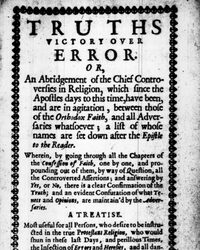
On Westminster Confession of Faith (1646), Paragraph 9.5, which this paragraph revises
Hath Man by his fall, into an estate of sin, wholly lost all ability of will, to any supernatural good, accompanying salvation: so as a Natural Man being altogether averse from…